My husband inherited a painting that now hangs in a less prominent room in our house. It simply isn't our style, but we keep it because his mother loved it.
It was painted around 1640 by a Dutch Master. An inn. Some travelers. A dog. An ordinary afternoon, nearly four centuries ago. I've traced it through his family for at least 140 years, and I still don't know how it spent the first 240.
I marvel at it anyway. Mostly, I wonder about him. Did he ever pause, brush in hand, and wonder where this thing would end up? He was just painting a Tuesday. He couldn't have imagined his Tuesday would end up in Tasmania.
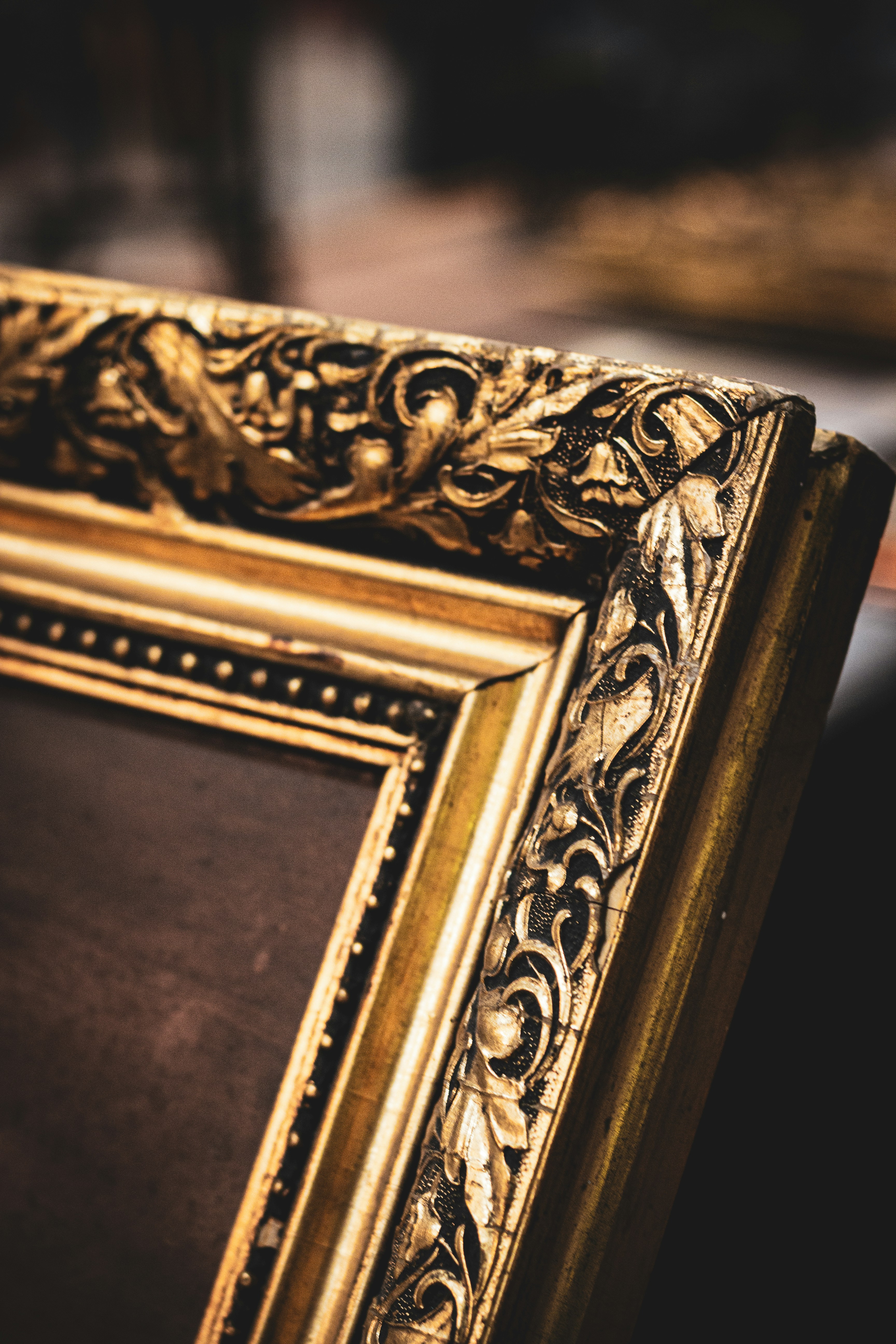
Here's a detail I keep coming back to. The painting is on Dutch oak. Before he could paint a single traveler, someone had to chisel and scrape a slab of tree until it was flat enough to hold a sky. Hours of labor before the art could even begin.
And here's the thing I learned recently that changed how I see it. Canvas already existed. It was cheaper, lighter, faster to prepare, and half the painters in Holland were already using it. He used canvas, too, for some works. For others, he chose oak, because paint flows more fluidly on a hard surface, and he wanted to catch the small things. The glint of light on a horse's harness after a long day's ride. The texture of a dog's coat.
The old medium and the new one sat side by side in his studio. He worked in both, and he chose by the job, not by trend.
We're living through the same moment, you and I.
In change management right now, both surfaces are on the table. Some of us are working the way we always have. Some of us have moved parts of our practice onto AI. Most of us are somewhere in between, quietly wondering which way history is going to call it.
The loudest voices want you to pick a side. The old way is dead. The new way is soulless. Choose.
He didn't choose.
He mastered both and let the work decide. Big river scene that needed scale? Canvas. Small scene where the light on a harness mattered? Oak. The surface was a decision, not an identity.
That's the position worth claiming. Not an AI refuser. Not an AI evangelist. A practitioner who knows which surface serves which job. The stakeholder conversation that needs your eyes and thirty years of pattern recognition? That's an oak panel job. The fourth version of a communication matrix at 11 pm? Hand it to the canvas.
Here's what settles me when the discourse gets shrill. Nobody stands in front of this painting and asks what it's painted on. They look at the travelers. The light. The dog. The format war that enveloped his industry for two centuries is now a footnote in a conservation report.
The craft is what traveled. The seeing. The composing. The knowing what to put in the light.
Three hundred and eighty-six years from now, nobody will ask whether your change strategy was drafted by hand or with AI. They'll inherit whatever you actually built. The trust. The adoption. The organization that made it through. That's the provenance that matters.
He was painting a Tuesday. So are we.